
The Dream of Oneness Journey
A Tejas Family Journey through India
Dates : 01/10/26 - 12/10/26
We are thrilled to have you journeying with Tejas!
This is not simply “travel through India.” It is a pilgrimage into myth, rhythm, beauty, and justice — a journey that meets 11–12-year-olds exactly where they are in their developmental stage, while drawing the whole family into a deeper bond with one another and the world.
Together, we'll walk through India’s ancient pathways — guided by a Steiner teacher and a local guide and supported by a like-minded community of families.
Because this moment — this age — comes only once.
Day 1- Delhi: Arrival & Welcome to India
Arrive in Delhi, where the ancient and the modern breathe side by side. Later in the afternoon, at Bangla Sahib, a Sikh temple, children witness the spirit of seva (selfless service) as food is prepared and shared in the great community kitchen.
✨Steiner lens: The first step is always one of reverence. Beginning the journey in service and gratitude plants a seed of humility and connection.
✨Curriculum Mirror: Nourishment, Service & Community — echoes the child’s awakening sense of social responsibility (Class 6 theme: law, order, moral conscience). Service in the Langar connects them to the rhythm of giving and receiving.


Day 2 – Delhi: Tastes & Tales
Begin with a guided walk through the colourful bazaars of Old Delhi, led by a chef who introduces children to the living story of food — spices, sweets, aromas, and sounds of centuries-old kitchens. In the afternoon, explore Humayun’s Tomb, an echo of what will later culminate in the Taj Mahal. As day turns to dusk, drive along New Delhi’s sweeping boulevards, where colonial grandeur meets India’s independent spirit.
✨ Steiner lens: At this age, children live deeply into story and image. To taste and listen is to learn with the senses fully alive.
✨Curriculum Mirror: Ancient Civilisations & Architecture — Mughal gardens and tombs reflect geometry, symmetry, and the ordered beauty children study in Class 5 (Ancient Cultures) and Class 6 (Rome, law, proportion). Food culture links to geography and cultural studies.
Day 3 – Delhi: Play & Friendship
Begin the day with laughter and play: a cricket match alongside the children of Salaam Baalak Trust, who once lived on the streets of Delhi. This shared game becomes a bridge — dissolving difference, inviting kinship.
After lunch, breathe with the gardens of Sunder Nursery, where nature offers its quiet embrace. As evening falls, gather for a storytelling session with Kahaniwachak Swati — whose voice carries myths and modern tales that awaken imagination and moral courage.
✨ Steiner lens: At 11–12, children awaken to fairness and justice. Playing alongside Indian children allows them to experience equality in action, not as an idea.
✨Curriculum Mirror: Play, Fairness & Storytelling — cricket develops teamwork, rhythm, and the child’s moral compass (justice, fair play). Storytelling nurtures imagination and lays the groundwork for Classical Mythology (Class 5) and biographies of heroes (Class 6).


Day 4 – To Rishikesh: Enter the Himalayas
Journey to Rishikesh | Arrival at the Ganges
Today, travel north by road into the foothills of the Himalayas, where the holy Ganges flows in silver threads.
Arrive in Rishikesh and settle into
our home for two nights is Aloha on the Ganges, a serene retreat that offers comfort, beauty, and stillness — a gentle space for the soul to open.
Here, spirituality is not instructed — it is felt.
Children learn to sense devotion not through rules, but through rhythm — the sound of bells, the play of light, the quiet joy of being present.
Evening bells and the sound of the Ganga remind us we have stepped into sacred ground.
Children learn that life, too, has a rhythm — of breathing in and out, of activity and rest, of stillness and song.
✨ Steiner lens: A shift in setting mirrors the child’s inner shift — leaving behind the bustle for a place where stillness and spirit are palpable.
✨ Curriculum Mirror: Sacred Geography & Pilgrimage — Class 5 study of India’s great rivers and myths of the Ganges. The journey into the foothills reflects the soul’s ascent, mirrored in the 11-year-old’s inner striving for greater perspective.
Day 5 – Rishikesh: Learning at the Source
The Birth of Yoga
Long before yoga became a posture or a practice, it was a way of being.
In Rishikesh, this ancient way of life is not something found in temples or studios, but in the air itself — in the morning bells that echo across the river, in the rhythm of the sadhus crossing the bridges barefoot, in the devotion of those who come to bathe in her holy waters.
For the children, this becomes a gentle doorway into understanding that yoga means “union” — not something to perform, but something to feel.
Union with their breath. With the earth beneath their feet. With the river that has carried the prayers of thousands before them.
We might invite them into simple, sensory experiences:
-
A short guided sunrise movement by the river — gentle stretches, a moment of breath, listening to the birds awaken.
-
A story circle about the yogis who once lived here — people who sought not perfection, but presence.
-
A quiet moment of offering flowers or floating candles into the Ganges — a simple gesture of gratitude.
✨ Steiner lens: At 11, children begin to sense law, order, and universality. Here, they glimpse how India’s spiritual traditions order life around higher principles.
✨ Curriculum Mirror: Religion & Inner Light — Class 5’s study of world religions; children at this age develop moral sensitivity. Witnessing devotion (Aarti) awakens reverence and prepares them for inner questions of justice, destiny, and conscience that unfold in Class 6.

Day 6 – To Vrindavan: The Childhood of Krishna
Drive to Vrindavan, the The Enchanted Land of Krishna’s Childhood where the child Krishna once played his flute and danced with the gopis.
Step into Vrindavan, where the air hums with ancient stories and the vibrant spirit of Krishna’s childhood comes alive. This sacred town is a living tapestry of devotion, myth, and timeless beauty—inviting families to walk softly where legends were born and to feel the rhythm of a world woven with wonder.
Arrive and rest, allowing the gentle devotional atmosphere — songs, bells, incense — to prepare you for the days ahead.
✨ Steiner lens: In Krishna’s childhood play, children see reflected their own — joy, mischief, and love of nature. Myth lives most deeply when encountered in the place it arose.
✨ Curriculum Mirror: Myth & Play — Krishna stories parallel the Greek myths studied in Class 5. Both express divine play, courage, and morality, echoing the child’s imaginative capacities before adolescence begins to rationalize.
Overnight at Hotel in Vrindavan


Day 7 – Vrindavan to Agra: From Play to Compassion
Visit Vrindavan’s temples, alive with song and dance.
The tales of Krishna in Vrindavan are central to this journey. Through his playful wisdom, courage, and reverence for all life, Krishna embodies the very qualities the 5th grade curriculum seeks to nurture.
Here in Vrindavan, Steiner students are not only hearing stories of Krishna—they are walking in his footsteps, seeing the lands he loved, and feeling the living presence of ancient India. The experience transforms classroom learning into lived memory, deepening empathy, wonder, and a sense of kinship with the world’s great stories. For your child, Vrindavan becomes more than a chapter in a textbook. It becomes a living classroom—a place where myth and history meet, where the seeds of reverence and connection take root, and where the journey into Ancient India continues as a soulful, unforgettable adventure. Together as a family, you will carry these gifts home—woven into your shared story, forever part of the dream of oneness that Vrindavan so beautifully embodies.
Then continue to Agra, where a special visit to Wildlife SOS shows children how care, compassion, and courage can heal — sloth bears once exploited as “dancing bears” now live in freedom.
Step into Agra, where history whispers through marble walls and the legacy of love stands eternal in the Taj Mahal’s glowing embrace. This city is a living storybook—where imperial grandeur meets the pulse of everyday life, inviting families to witness beauty shaped by devotion and resilience.
In the evening, walk through Kachhpura village in the shadow of the Taj Mahal. Share tea with locals and glimpse life lived with simplicity and beauty.
Nestled in the quiet shadow of the Taj Mahal, Kachhpura village offers a glimpse into the heart of India far from the marble grandeur—where life unfolds in simple rhythms, and community is woven through daily acts of care and connection. For the Steiner child, a visit to Kachhpura is profoundly meaningful.
Here, the world becomes a living classroom:
-
Children witness how beauty is found not only in monuments, but in the way homes are painted, gardens are tended, and stories are shared over tea.
-
The village’s warmth and hospitality invite young travelers to engage with real people, learning through authentic encounters rather than observation alone.
-
In Kachhpura, work and handcraft are part of daily life—from tending animals to preparing meals, echoing the Waldorf emphasis on meaningful, purposeful activity and the dignity of work.
✨ Steiner lens: The living classroom, the moral awakening of Class 5/6 finds resonance in real-life stories of justice, restoration, kinship and gratitude.
✨Curriculum Mirror: Ancient history, Reverance for nature and all living things, Compassion & Ecology — caring for animals mirrors the natural science curriculum (botany, zoology). The rescued bears embody healing and transformation — a picture the 12-year-old child resonates with in their growing moral life.
Day 8 – Agra to Jaipur: Love, Power & Water
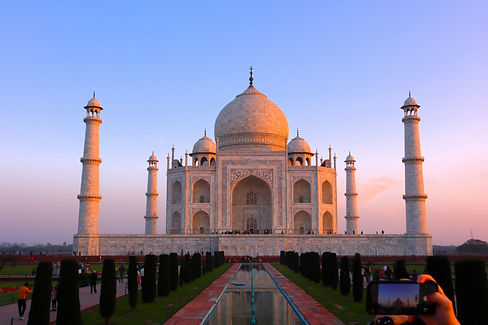
At sunrise, witness the Taj Mahal— A Living Symbol of Love’s Enduring Power, glowing with morning light — an image of love made stone.
The Taj Mahal rises from Agra’s earth like a luminous dream, its white marble shimmering with the promise of devotion that transcends time. For centuries, it has stood as a breathtaking symbol of love—built by Emperor Shah Jahan in memory of his beloved wife, Mumtaz Mahal.In the Tejas journey, the Taj Mahal becomes more than a monument; it is a living lesson in the transformative power of love. Every arch, garden, and reflection pool speaks of unity, harmony, and the ability of the human heart to create beauty from longing and loss. Here, children and families are invited to experience how love, when honored and given form, becomes something that outlasts lifetimes—touching all who stand in its presence. For Steiner students and families, the Taj Mahal is a story in stone:
-
Its graceful symmetry echoes the balance and order children seek in the world and within themselves.
-
Its gardens, designed as a paradise on earth, mirror the soul’s longing for wholeness.
-
Its origin—a testament to both devotion and grief—teaches that love is not only joyful, but also courageous and creative, capable of turning sorrow into something radiant.
Standing before the Taj Mahal at sunrise, families are reminded that the greatest legacies are those built on love. The memory of this moment becomes a gentle call to nurture beauty, empathy, and connection in our own lives—carrying the spirit of the Taj Mahal onward, long after the journey ends.
Visit the Agra Fort, where power and beauty entwine. On the way to Jaipur, pause at the ancient stepwells of Abhaneri, learning how people once harvested rain in this desert land.
✨ Steiner lens: Geometry, balance, and the great civilisations of history — themes of Class 5 — are alive here in stone and water.
✨ Curriculum Mirror: Law, Order & Beauty — Class 6 focus on Roman law and structure resonates with Mughal architecture, fortifications, and ordered gardens. Stepwells introduce ingenious water systems, bridging history, math, and ecology.

Day 9 – Jaipur: Story in Stone
Welcome to Jaipur, a city where history and heart dance in vibrant color. Known as the “Pink City” for its warm sandstone walls glowing in the sunlight, Jaipur invites families into a world where myth, artistry, and community pulse with life. Here, every street and courtyard tells a story.
The city’s architecture and gardens echo the balance and order that Steiner students explore in their studies, revealing how beauty, law, and harmony come together to shape human experience. In Jaipur, myth and history unfold not just as stories but as living traditions—carried forward by storytellers, musicians, and dancers who weave the past into the present.
For the Steiner child, Jaipur and Amber Fort are more than destinations—they are gateways into living story and artistic wonder:
This morning, ascend the Amber Fort, where mirror halls shimmer and ancient kings once ruled.
Amber Fort is a masterpiece of symmetry, geometry, and beauty, echoing the forms and patterns Steiner students encounter in form drawing, geometry, and the study of ancient civilizations. Climbing the fort’s winding paths and entering its mirrored halls, children experience how people have shaped their environment with both function and imagination.
The walls and corridors of Amber Fort are alive with tales of bravery, wisdom, and celebration. For the Steiner child, who learns through myth and epic in the curriculum, this is a place where stories leap off the page and become vividly real. Here, history, legend, and the present moment intertwine.
In the afternoon, meet Rajasthani craftsmen who keep alive the ancient tradition of Kavad storytelling — painted wooden shrines that unfold to reveal tales of gods, heroes, and ancestors. This is a moment of deep resonance and inspiration for the developing child.
For the Steiner child, this experience is profoundly meaningful:
-
Art as Narrative:
The painted Kavad echoes the Steiner approach, where art and story are intertwined in every lesson. Children see how images and colors can hold memory and meaning, making learning vivid and alive.
-
Oral Tradition:
Storytelling is at the heart of the Steiner curriculum, especially in the middle grades. Hearing tales told aloud, accompanied by the unfolding Kavad, nourishes the child’s imagination, moral intuition, and sense of wonder.
-
Craftsmanship and Handwork:
The creation of a Kavad shrine calls for patience, skill, and reverence—qualities celebrated in Steiner handwork. Watching artisans at work, children witness the dignity of making by hand, and may feel inspired to bring similar creativity to their own projects.
-
Connection to Ancestry and Myth:
The Kavad’s stories of gods and ancestors mirror the Steiner journey through ancient mythologies, helping children find their place within the stream of human history and the wisdom of ages past.
In this encounter, the Steiner child experiences the living power of story, art, and tradition—discovering that learning is not only about information, but about imagination, connection, and the joy of bringing the past to life in the present.
In the evening, dine at Chokhi Dhani, a recreated Rajasthani village alive with music, dance, and colour.
✨ Steiner lens: Myth moves into form here — architecture, painting, story, and dance weave into one. Children experience culture as a living organism.
✨ Curriculum Mirror: Legends, History & Oral Traditions — Rajasthan’s Kavad storytellers preserve myths and genealogies, echoing Class 5’s Greek epics and Class 6’s Roman biographies. Oral story + architecture deepens cultural literacy.
Day 10 - Cycle, Print, Create
At dawn, cycle through Jaipur as the city slowly wakes — offering grain to cows, greeting shopkeepers, watching the pink walls glow in the morning sun. This is not just a morning ride—it is a living lesson in presence, rhythm, and “good kharma”. The concept of “good kharma”—the positive ripples of our thoughts and actions—aligns with the Steiner focus on moral imagination and personal responsibility. Children see that even small deeds carry weight, shaping both their own inner world and the broader community.
Later, journey to Bagru village, join artisans teaching the ancient craft of block printing. Together with your child, press colours into cloth, learning patience and joy through creation. Jaipur is a place where children can step into the rhythm of ancient craft, learning through hands-on experiences like block printing, where colors and patterns come to life under their fingertips. This engagement with making connects head, heart, and hands—the very essence of Steiner education.
✨ Steiner lens: Class 5/6 children need to do. Making with their hands brings balance to head and heart.
✨ Curriculum Mirror: Handwork, Craft & Social Economy — block printing resonates with Class 5–6 handwork (textiles, weaving, pattern). Geometry, repetition, and artistry meet in a lived experience. Cycling through the waking city speaks to geography and community rhythm.
Overnight at Samode Haveli in Jaipur


Day 11 – City Palace | Journey to Neemrana
Visit Jaipur’s City Palace and Jantar Mantar (astronomical observatory). Encounter the living expression of order, beauty, and the human quest for understanding—core themes in Steiner education, especially for the 11–12-year-old child.
Both sites encourage children to see the connection between outer order (in society and the cosmos) and inner order (in their own developing sense of justice, balance, and wonder). The City Palace and Jantar Mantar together invite the Steiner child to explore not just facts, but the harmony, purpose, and beauty that underlie both human and cosmic design. These visits nurture the child’s growing sense of place in the world—grounding them in history and community, while also awakening the spirit to the mysteries and marvels of the heavens.
Travel to Neemrana Fort - A Sanctuary of Rest, Reflection, and Integration. Perched high on the hills, this 15th-century palace becomes the final resting place of the journey.
As your journey through India draws to a close, Neemrana Fort rises from the Aravalli hills as a timeless sanctuary—welcoming families to pause, breathe, and gently gather the gifts of their travels. Here, the spirit of the journey is gathered and cherished. Here, your family can celebrate, rest, and look back with gratitude—each child carrying home not just souvenirs, but a sense of wholeness, wonder, and new possibility.
Within the Tejas journey, Neemrana Fort is more than a final destination; it is a threshold—a place where experiences settle inwardly and the soul can absorb all that has unfolded.
This closing pause is not an ending, but a beginning: the subtle, quiet moment when seeds of experience are planted deep, to blossom long after the journey’s end.
✨ Steiner lens: After striving, the soul needs rest. The final pause in a place of beauty allows the journey to settle inwardly.
✨ Curriculum Mirror: Astronomy & Order of the Cosmos — Jantar Mantar’s instruments bring Class 6 astronomy alive. City Palace reflects civic order, law, and governance — central themes for the 11 & 12-year-old.
Day 12 – Return to Delhi & Departure
Farewell to India: Journey Home with Full Hearts.
As our remarkable journey comes to a close, we travel back to Delhi—carrying with us the vibrant stories, deep rhythms, and heartfelt connections that have blossomed over these days. This final drive is a moment for gentle reflection and quiet gratitude. The sights, sounds, and lessons of India now live richly within each of you—woven into your family’s shared story. Though the journey ends here, its echoes will continue to inspire curiosity, compassion, and wonder for years to come. As you prepare to board your flight back home we invite you to hold the spirit of this pilgrimage close: the balance of reverence and adventure, the beauty of community, and the timeless rhythm of breathing in and out—both in the world and within yourselves.
Safe travels, dear families. Until we meet again, may the light and love of India accompany your every step.
With hearts full and stories alive, this journey comes to a close — though its echoes will remain for years to come.

Inclusions and Price
-
Total of 11 nights’ accommodation.
-
Meal Plan – breakfast at all hotels.
-
All transfers, sightseeing & excursions using Air-conditioned by Mini Coach.
-
Entrance fee at the monuments as per program. (Single visit).
-
Services of English-speaking Local guides as per the itinerary.
-
Steiner teacher support.
-
Road taxes, parking fee, fuel charges, interstate taxes. Any hikes in these fee / taxes will be extra.
-
All currently applicable taxes.
-
Flights and Travel Insurance NOT included.
-
Price per person : AUD $7,450.00
-
Limited spots
-
Please see Terms and Conditions Here
Ready to book?
Please fill the form and we will contact you shortly.
Our Partner in India
Family-run since 1977, Our Partner in India brings depth, care, and integrity to every Tejas journey. Their team — from guides to artisans — embodies India’s ancient art of hospitality, serving with warmth and human dignity.
Like Tejas, they believe that travel can be a path of awakening: a meeting of soul and world through beauty, relationship, and reverence. Their approach resonates deeply with the Steiner philosophy — honouring rhythm, community, and the spiritual unfolding of each human being.
Through the Ram Kohli Foundation, they nurture children in Delhi’s underserved communities through art and education, while their Travelife sustainability certification reflects a living care for people, culture, and planet.
Together, we hold each journey with rhythm, grace, and heart — where outer travel becomes an inner path.